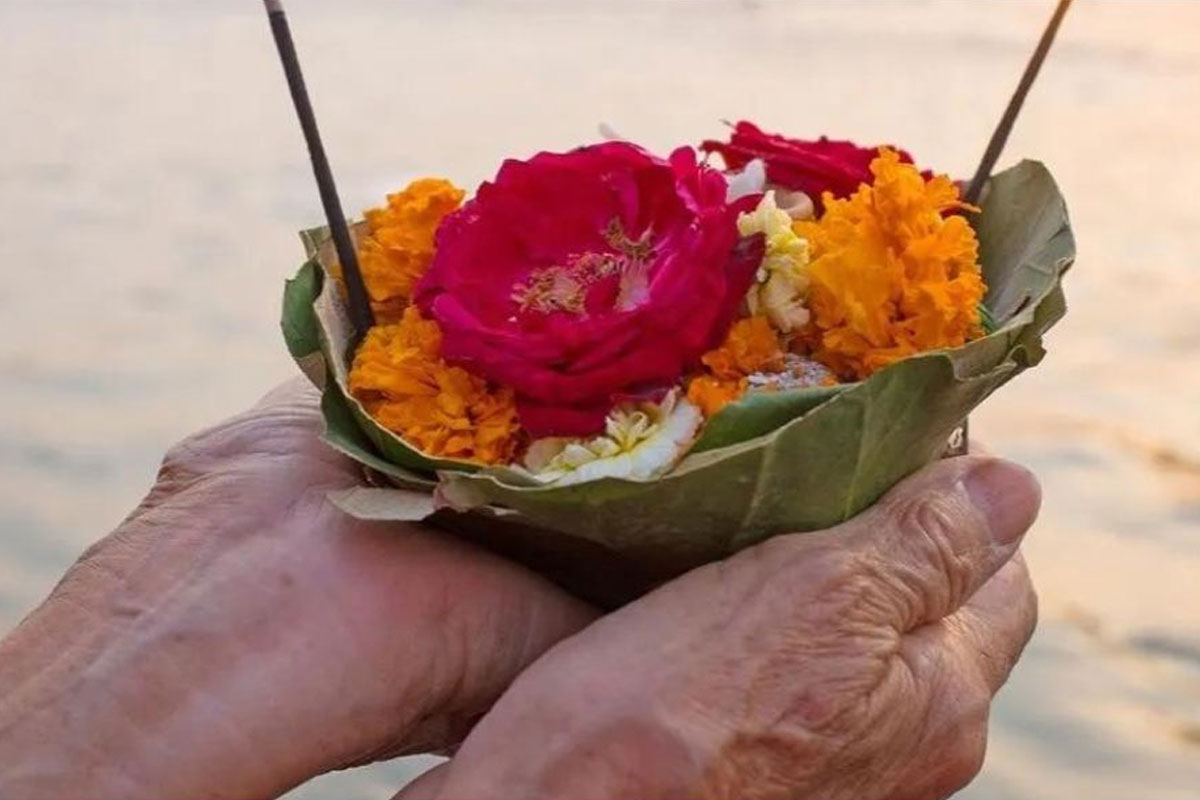
Shraddh – श्राद्ध
Shraddh is a sacred ritual performed to honor and remember ancestors. It is an expression of gratitude, devotion, and respect, ensuring peace, nourishment, and spiritual upliftment of departed souls.
Spiritual Importance of Shraddh
In Sanatan Dharma, Shraddh is performed with faith and purity. It strengthens the bond between generations and fulfills one’s duty toward ancestors (Pitru Rin).
When is Shraddh Performed?
Shraddh is usually performed on the death anniversary (Tithi) or during Pitru Paksha. It is believed that offerings made during this time reach the ancestors directly.
Rituals Involved in Shraddh
The ritual includes pind daan, tarpan, mantra chanting, and feeding of Brahmins. Charity and food offerings are made with devotion for ancestral peace.
Blessings and Benefits
Performing Shraddh brings blessings of ancestors, removes obstacles, and ensures harmony, prosperity, and spiritual well-being of the family.
- Honors ancestors with devotion and respect
- Fulfills Pitru Rin (ancestral duty)
- Brings peace to departed souls
- Invites blessings and family prosperity
Understanding Shraddh
Shraddh is a ritual performed with faith to honor ancestors and offer food, water, and prayers for their peace and spiritual nourishment.
Shraddh fulfills one’s ancestral duties and is believed to bring peace to ancestors while blessing future generations.
Shraddh is performed on the death Tithi or during Pitru Paksha, following family traditions and priestly guidance.
It brings ancestral blessings, peace of mind, removal of obstacles, and spiritual harmony within the family.
